The Architecture of Character
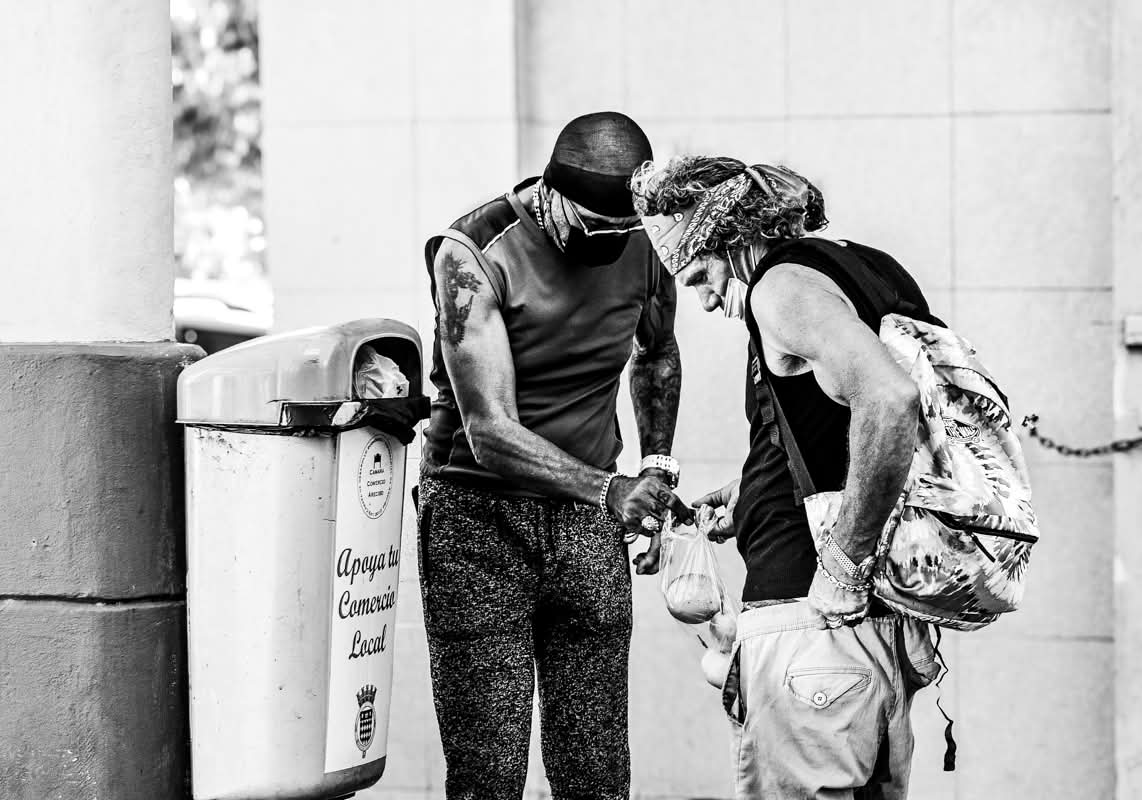
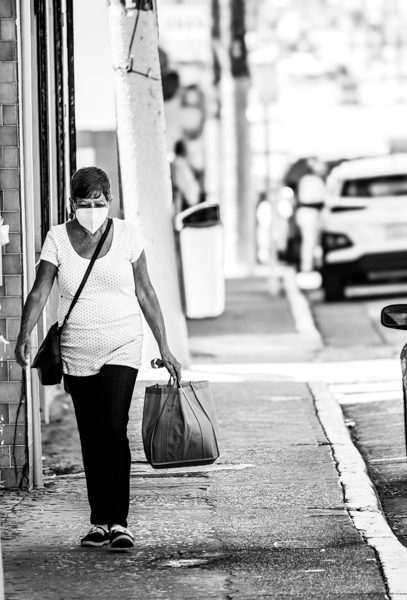
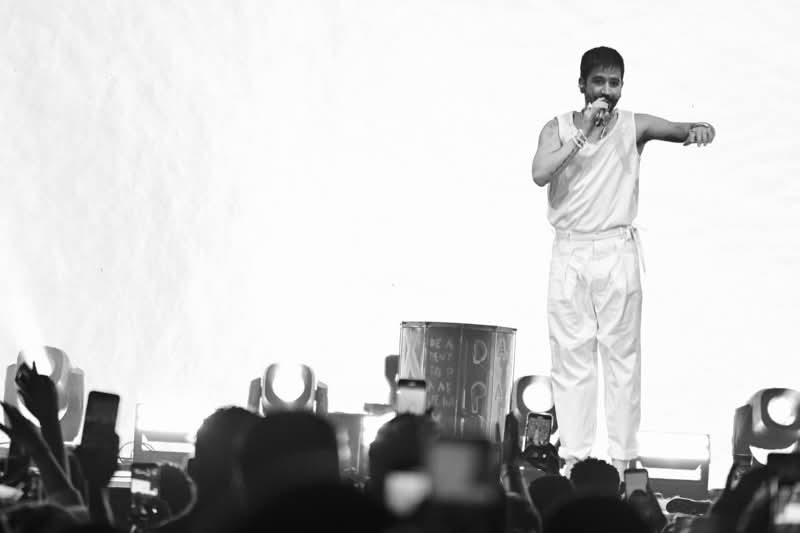
The city is often read as a collection of infrastructure—roads, transit lines, and zoning maps—but its true texture is found in the faces that navigate its friction. Every individual carries a history of the neighborhood they inhabit, a visual shorthand of their labor, their heritage, and their place within the social hierarchy. When we look at a person in a public space, we are looking at a document of survival. We see the choices made about how to present oneself to the world, how to claim space in a crowd that is constantly moving, and how to maintain a sense of self amidst the overwhelming density of the urban environment. Some people are designed to blend into the background of the city, while others stand as landmarks, their presence asserting a stubborn, undeniable reality. Who gets to be seen, and who is forced to remain a ghost in the machine of the street? The city is a map of these visible and invisible lives, written in the lines of a face and the fabric of a garment.
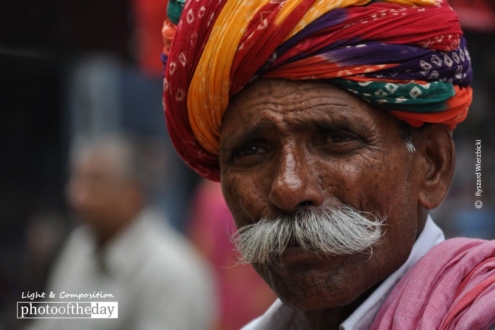
Ryszard Wierzbicki has captured this quiet assertion of identity in his portrait titled Moustache & Headband. By isolating a single figure from the chaotic flow of Pune, he forces us to confront the individual behind the urban backdrop. Does this face belong to the city, or does the city belong to him?