The Silence of the Commons
We often mistake stillness for emptiness. In the urban imagination, we prioritize the clamor of the marketplace, the density of the transit hub, and the vertical ambition of the skyline. We assume that where there is no human activity, there is no social value. Yet, the spaces that lie fallow—the edges of the town, the frozen water, the unbuilt lots—are the lungs of our geography. They represent a rare, unprogrammed freedom. In these quiet zones, the rigid hierarchies of the city dissolve. There is no zoning board, no commercial transaction, no requirement to perform a role. It is a temporary commons where the land is allowed to simply be itself, indifferent to our need for utility or progress. When we strip away the infrastructure of our daily grind, we are left with the raw, elemental reality of the ground beneath our feet. If we only value the city for what it produces, what do we lose when we forget how to inhabit the silence?
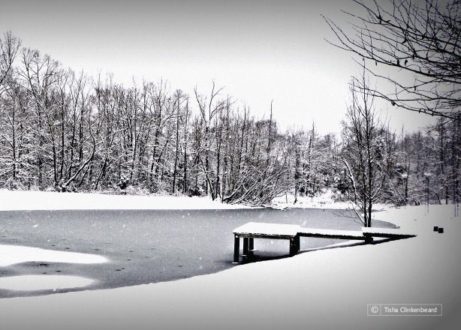
Tisha Clinkenbeard has captured this quietude in her image titled Snowy Winter Day. It serves as a reminder that even in the most familiar landscapes, nature reclaims its own space when we step back. Does this stillness make you feel more connected to your surroundings, or more like an outsider?