The Architecture of Waiting
There is a peculiar dignity in things that are left to wait. We tend to value the active, the moving, the things that demand our immediate attention with their noise or their color. But the world is largely composed of the stationary—the pipes, the brickwork, the forgotten corners of a city that hold their breath while the rest of us rush past. These objects do not ask to be seen; they simply exist, performing their silent, utilitarian duties without ego. There is a profound honesty in this lack of vanity. It reminds me of the way we treat our own memories, tucking them into the quiet alleys of the mind, expecting them to remain exactly as we left them, static and reliable. We assume that because something is still, it is empty. But perhaps it is merely full of a different kind of time, a slow, heavy duration that does not require our participation to be complete. If we stopped moving long enough to listen, what would the silence of these forgotten things tell us about our own restlessness?
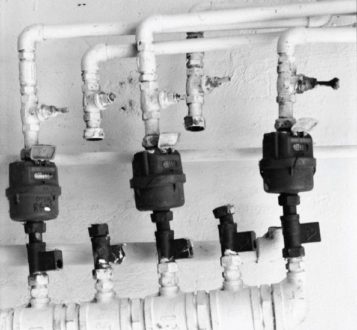
Morris Hilarian has captured this quiet endurance in his image titled Still Three. It is a gentle reminder that even the most overlooked corners possess a weight and a story if we are patient enough to look. Does the stillness in this image make you feel more alone, or more at peace?