The Architecture of Ambition
We often mistake the skyline for the city. We look at the vertical reach of glass and steel and assume it represents progress, a testament to human ingenuity rising above the dust. But a city is not defined by its peaks; it is defined by its ground level, by the friction of lives lived in the shadows of these monuments. When we build for the sky, we are often building for the abstract—for capital, for prestige, for the gaze of the traveler. We create environments that demand to be looked at, yet rarely invite us to stay. The true measure of an urban space is not how it glows in the dark, but who is permitted to inhabit its light. Does the city exist to serve the people who walk its pavement, or does it exist to perform a version of itself for an audience that never touches the ground? When we prioritize the spectacle, we risk turning the living, breathing organism of the street into a mere backdrop for the wealthy and the transient. Who is the city actually for, when the architecture itself is designed to look away from the human scale?
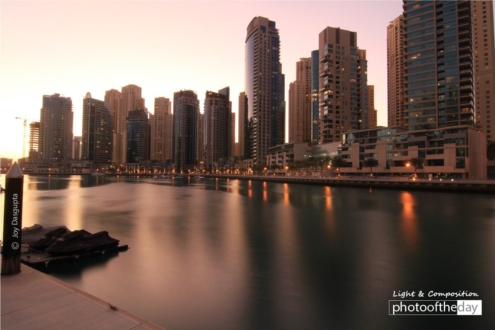
Joy Dasgupta has captured this tension in the image titled Golden City. It presents a vision of urban development that feels both monumental and detached from the messy reality of daily life. Does this version of the city welcome you, or does it simply ask you to admire its height?