The Geography of the Unclaimed
We often mistake vast, open spaces for empty ones. As urbanists, we are trained to look for the density of human infrastructure—the grid, the pavement, the zoning laws that dictate where a body is permitted to exist. But there is a different kind of geography in the wilder fringes of our world, where the land does not wait for human permission to be meaningful. In these places, the lines of ownership blur, and the hierarchy of the city dissolves into the mud and the tide. We are so accustomed to spaces designed for our convenience that we forget how to observe a landscape that remains indifferent to our presence. When we remove the human architect from the frame, we are forced to confront a different kind of order—one defined by survival, rhythm, and the quiet persistence of life that requires no title deed to claim its territory. If the city is a document of our collective will, what does it say about us when we step into a place that refuses to be written upon?
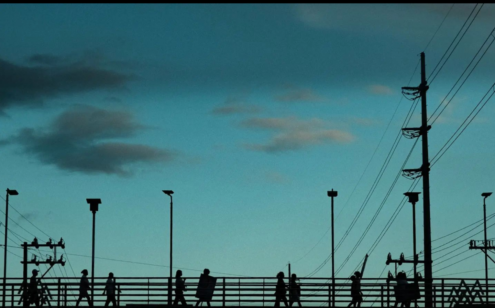
Rafael Lorenzo de Leon has taken this beautiful image titled Hi-Ho. It serves as a reminder that even in the most expansive landscapes, the smallest presence defines the scale of our world. Does this view change how you see the spaces we occupy every day?