The Earth Beneath Our Feet
We often speak of the city as a finished product—a collection of glass, steel, and planned infrastructure designed to facilitate the flow of capital and labor. Yet, the most profound human geographies are those that remain unfinished, where the boundary between the built environment and the body is porous. In many corners of the world, the home is not a static container but a living, breathing entity that requires constant renewal. To touch the walls of one’s shelter is to participate in a cycle of maintenance that binds the inhabitant to the very soil of the region. When we observe the spaces where children grow, we must ask: are they being prepared for a world of rigid, sterile surfaces, or are they learning the tactile language of their own landscape? The way a child interacts with the raw materials of their home tells us everything about the future of that community. If the city is a document, what does it say when the inhabitants are still so deeply woven into the earth itself?
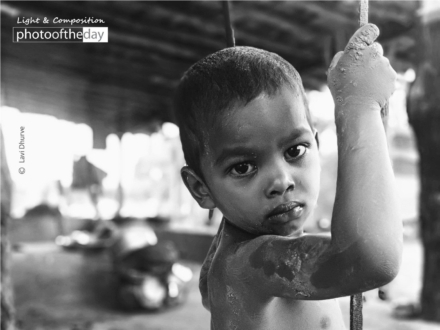
Lavi Dhurve has captured this beautifully in the image titled The Clay Child. It serves as a stark reminder of the intimate relationship between a person and the place they call home. How do we ensure that our modern urban developments don’t lose this vital, physical connection to the ground we stand on?