The Edges of Belonging
We often mistake the periphery for the unimportant. In urban theory, the center is where power is consolidated, where the monuments stand, and where the infrastructure of the state is most visible. But the edges—the back roads, the transitional zones, the spaces between the manicured town and the wilder landscape—are where the true character of a territory is revealed. These are the places that exist outside the gaze of the master planner. They are the quiet documents of how we navigate the world when we are not performing for the public square. Who maintains these paths? Who is permitted to linger here, and who is merely passing through? When we look at the margins, we see the friction between human utility and the stubborn persistence of the land. It is a geography of necessity, a reminder that every road, no matter how humble, is a claim on the earth. If the city is a conversation, what are these quiet, forgotten corners trying to tell us about the people who walk them?
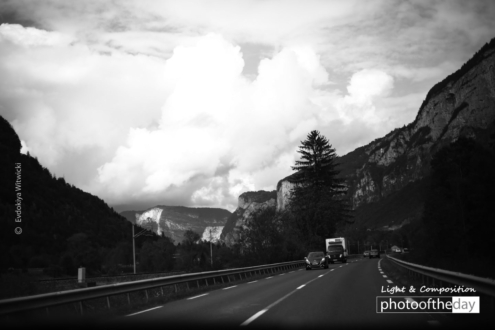
Evdokiya Witwicki has taken this beautiful image titled The Bright Back Road. It captures a moment of transition that invites us to reconsider the value of the spaces we usually overlook. Does this path lead to a place of refuge, or is it simply a way to get somewhere else?