The Table as Territory
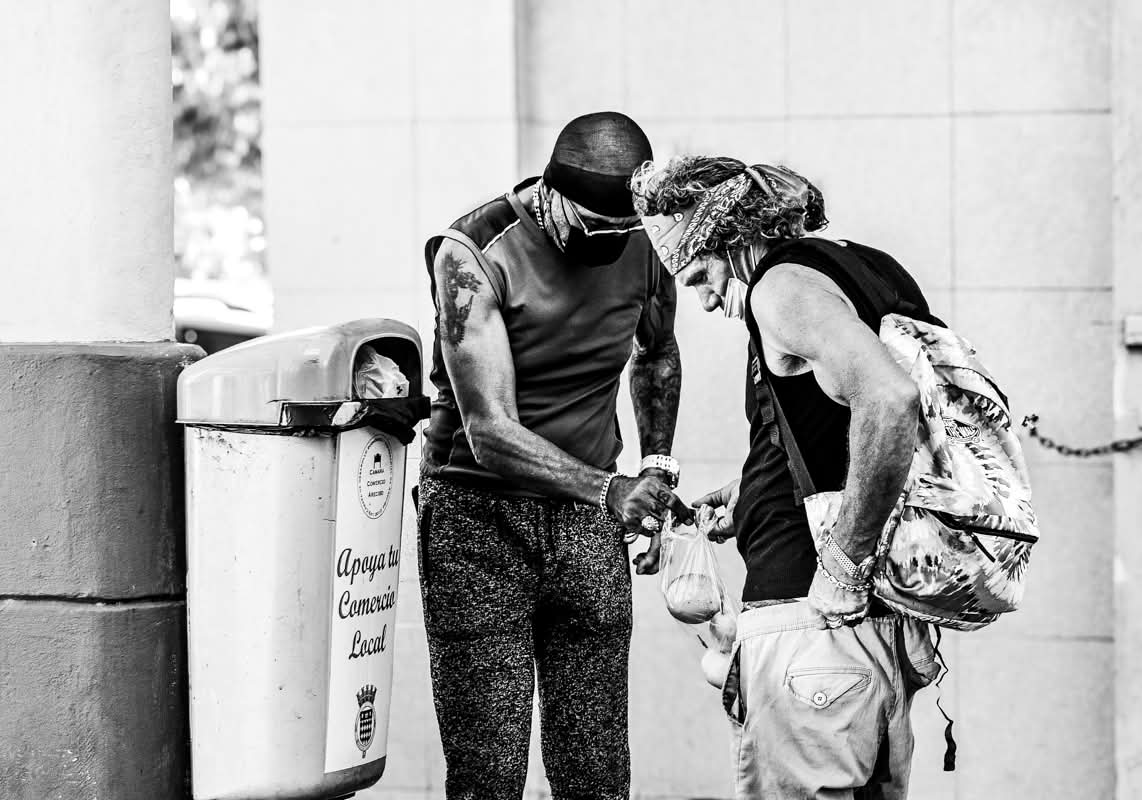
We often mistake the act of eating for a private ritual, a fleeting moment of sustenance tucked away in the domestic sphere. Yet, every meal is a map of geography and labor. What sits upon a plate is a document of the land—the specific waters, the soil, and the seasonal rhythms that dictate survival. When we look at a meal, we are seeing the end result of a complex social chain: the hands that cast the nets, the markets that facilitate the exchange, and the cultural history that defines what is considered a feast. Food is never just fuel; it is a marker of identity and a testament to how a community interacts with its environment. It reveals who has access to the bounty of the coast and who is tasked with the transformation of raw nature into a shared experience. We must ask ourselves: how does the geography of our plate define the boundaries of our belonging, and who is invited to sit at the table when the harvest is brought home?
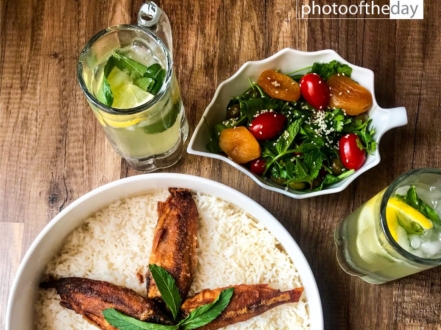
Sanaz Nemati has captured this connection in her work titled Fishing. The image serves as a quiet reminder of the labor and tradition embedded in our daily nourishment. Does this scene reflect a local heritage you recognize, or does it invite you to consider the origins of your own daily bread?