The Geography of Belonging
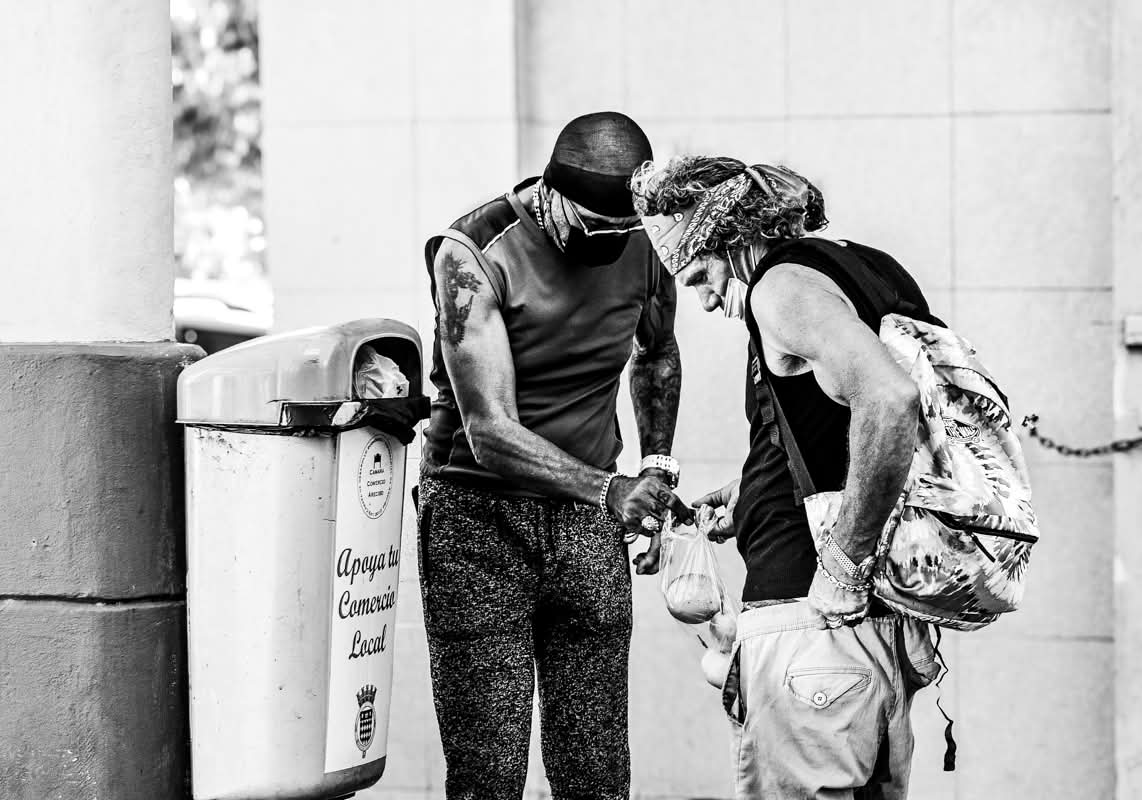
We often speak of the city as a collection of infrastructure—roads, grids, and zoning laws—but the true city is written in the faces of those who navigate its thresholds. Every public space is a negotiation of power. Who is permitted to stand still? Who is expected to move along? When we encounter a child in a traditional space, we are seeing the living history of a community, a testament to the cultural endurance that persists despite the homogenizing pressures of modern urban development. These spaces are not merely backdrops; they are the containers of identity, holding the tension between the ancient ways of living and the encroaching gaze of the outside world. To observe someone in their own environment is to witness the quiet politics of visibility. We must ask ourselves: are we building cities that allow for the preservation of these distinct human geographies, or are we slowly erasing the very textures that make a place feel like home?
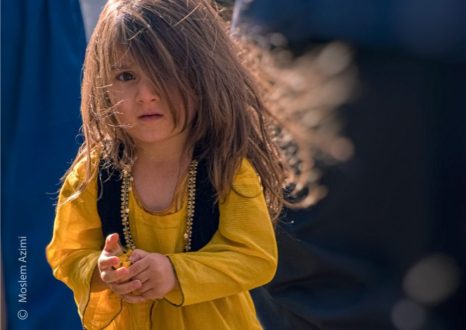
Moslem Azimi has captured this delicate reality in the image titled Innocent Eyes. By honoring the subject’s presence within her own landscape, the work invites us to consider how we interact with the communities we visit. How do you see the relationship between the individual and the space they inhabit?