The Geography of Persistence
We often talk about infrastructure as if it were merely a neutral conduit for movement, a way to get from one point to another. But every road is a political statement. It represents a decision about where value is placed and who is granted the right to traverse the landscape. When we look at the paths carved into remote or rugged terrains, we are seeing the physical manifestation of human persistence against the indifference of geography. These routes are not just asphalt or dirt; they are the lifelines of communities that have negotiated their existence with the land itself. They reveal the tension between the permanence of the earth and the fleeting, rhythmic passage of those who inhabit it. Who decided this path was necessary? Who maintains it, and who is left isolated when the weather turns or the resources dry up? The landscape is a document of survival, written in the curves of a trail that refuses to be erased by the elements. If the city is a map of our social priorities, what does the path tell us about the people who rely on it to survive?
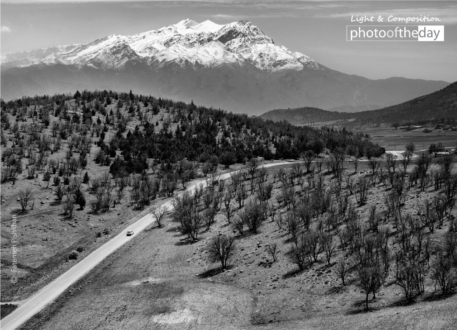
Fatemeh Pishkhan has captured this sentiment in her work titled The Road of Life. It serves as a stark reminder that the routes we take are shaped by the communities we belong to. Does this path lead toward inclusion, or does it mark the boundary of a forgotten space?