The Weight of Unspoken Dialects
My grandmother’s kitchen used to smell of dried mint and the sharp, metallic tang of a wood-burning stove that no longer exists. It is the specific silence of that room that haunts me now—not a quiet of peace, but a quiet of erasure. When she passed, the particular dialect she used to scold the neighborhood cats went with her. It was a language of soft consonants and rhythmic sighs, a way of naming the world that belonged only to her and the small, dusty village where she was born. We think we are made of memories, but we are actually made of the things we have lost the ability to name. When a voice fades, the landscape it described changes. The mountain paths she walked become just dirt; the herbs she gathered become just weeds. We are left holding the heavy, hollow shape of a history that no longer has a tongue to speak it. If we listen closely to the air, do we hear the echoes of the words we failed to learn?
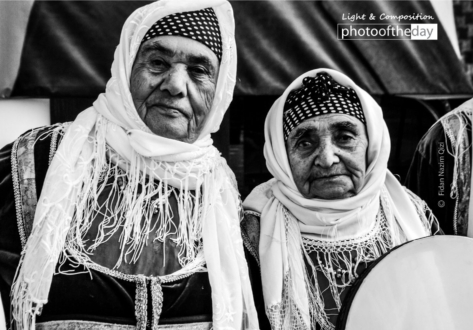
Fidan Nazim Qizi has captured this profound sense of vanishing heritage in her image titled Talysh Grandmothers. She invites us to look past the surface and consider the weight of the stories held within these faces. Does their silence speak to you of what is being lost?