The Architecture of Leisure
We often mistake the city for its hard edges—the concrete, the steel, and the glass that define our skyline. Yet, the true document of urban life is found in the spaces we carve out for stillness. When we design a park, we are not just planting trees; we are making a statement about who deserves to breathe, who is permitted to pause, and what kind of rest is considered legitimate. In a landscape defined by relentless efficiency, a place to walk without a destination is a radical act of resistance. It suggests that the city exists for more than just production and transit. It asks us to consider the social contract of public land: is this a space that welcomes the weary, or is it a curated stage for a specific kind of performance? When we step into these green pockets, we are entering a negotiation between the wild and the planned, between the individual seeking solitude and the collective need for shared ground. Who is the city really for, when the sun goes down and the gates are locked?
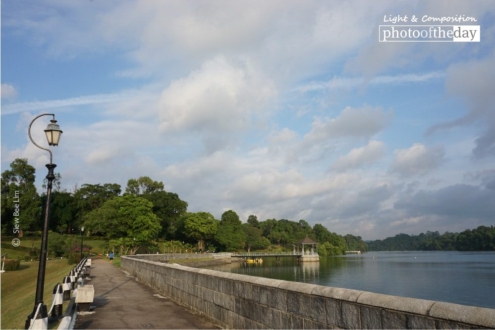
Siew Bee Lim has captured this tension in the image titled MacRitchie Reservoir Park. It serves as a quiet reminder of how we inhabit the spaces built for our collective well-being. Does this scene feel like a sanctuary to you, or a carefully managed enclosure?