The Unmapped Tenant
We often mistake the city for a collection of stone, steel, and zoning laws. We view the urban landscape as a rigid grid designed solely for human utility, forgetting that the city is a layered ecosystem. There are those who hold the deeds and those who hold the keys, but there are also the silent occupants—the creatures who navigate the cracks in our infrastructure, finding sanctuary in the margins of our agricultural history. When we designate a space as heritage, we are usually celebrating our own past, our own architecture, and our own permanence. Yet, the true measure of a landscape’s vitality is found in who else is permitted to exist there. Is a space truly public if it only serves the human agenda? The fox in the field does not recognize our borders or our cultural designations; it simply claims its right to the soil. It reminds us that the city is not just a document of human ambition, but a shared habitat that we have yet to fully learn how to inhabit.
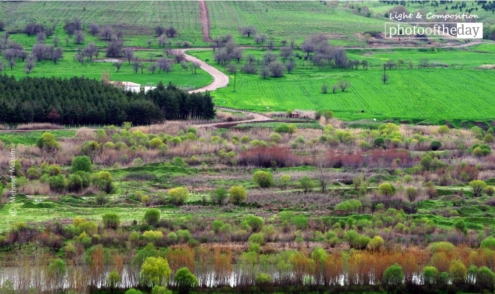
Mehmet Masum has captured this tension beautifully in his image titled Spring in Hevsel Gardens. It serves as a quiet reminder that even in our most historic sites, we are merely one part of a much larger, wilder geography. Does the city exist to exclude the wild, or can it be a place where we finally learn to share the ground?