The Geography of Labor
We often mistake the landscape for a static backdrop, forgetting that every furrow in the earth is a record of human persistence. When we look at the countryside, we are not just seeing nature; we are reading a document of survival and intergenerational continuity. There is a profound social geography in the way bodies move across a field—a rhythm established long before the arrival of modern machinery. This is where the history of a people is written, not in books, but in the calloused hands and the shared endurance of a harvest. It forces us to consider who owns the value of this labor and who is left to carry the weight of tradition when the world outside rushes toward efficiency. The field is a site of both immense dignity and systemic struggle, a place where the past refuses to be erased by the present. If the city is a machine for living, what does it make of the hands that feed it? Who is truly present in the spaces that sustain our existence, and who remains invisible to the urban centers that consume the fruits of this toil?
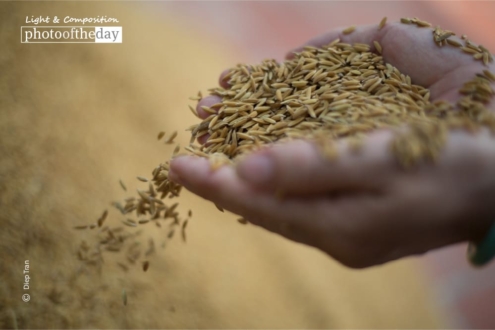
Diep Tran has captured this reality in the beautiful image titled Harvest Time. It serves as a reminder of the human cost and connection behind our daily bread. Does this scene change how you view the origins of the things you consume every day?