The Architecture of Belonging
We often mistake the city for its stone and mortar, forgetting that the true geography of a place is written in the pauses of those who inhabit it. A city is not merely a collection of transit routes or historic facades; it is a living ledger of who is permitted to linger and who is compelled to move. When someone stops in a public space, they are momentarily claiming a right to the city, asserting their presence against the relentless pressure of urban efficiency. We must ask ourselves what these spaces demand of the people within them. Are they designed to facilitate genuine human connection, or are they merely corridors for the anonymous flow of labor and capital? The way a person occupies a corner, leans against a wall, or watches the world pass by reveals the invisible boundaries of our social contracts. Who is truly at home in the center, and who is relegated to the margins of the frame? If the city is a document, what does this quiet moment tell us about the people we choose to see?
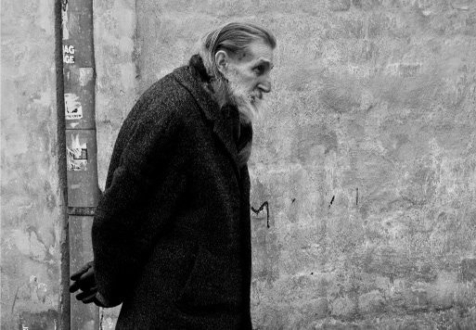
Nilla Palmer has captured this sense of place in her image titled Local – Old Town. It invites us to consider the relationship between the individual and the historic environment they occupy. Does this space feel like a sanctuary or a stage to you?