The Weight of Care
We often speak of childhood as a protected space, a sheltered interval before the demands of the adult world take hold. Yet, in many corners of our global geography, this boundary is porous, if not entirely absent. The architecture of a community is built not just by steel and concrete, but by the invisible labor of its youngest members. When a child assumes the role of a caregiver, the social contract shifts; the domestic sphere expands to include the shoulders of those who have barely begun to grow themselves. It is a quiet, persistent form of work that sustains the fabric of family life, often hidden in plain sight, away from the grand narratives of urban development or economic progress. We must ask ourselves what we lose when we romanticize this burden, and what we gain when we acknowledge the profound, uncompensated resilience that keeps our societies tethered together. Who is truly holding the weight of the future, and are we paying enough attention to the hands that carry it?
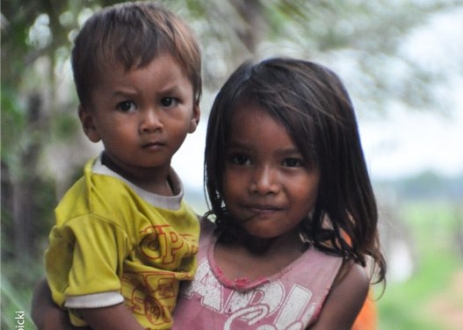
Ryszard Wierzbicki has taken this beautiful image titled Sister Nanny. It invites us to look past the rural landscape and consider the quiet, heavy responsibilities that define the lives of children in communities like those near Siem Reap. Does this image change how you perceive the roles we assign to the youngest among us?