The Weight of Paper
In the quiet corners of old libraries, there is a scent that never truly fades—the dry, vanilla-sweet decay of paper that has outlived its author. We treat books as vessels of knowledge, yet they are also physical anchors, heavy with the ink of intentions that were once urgent and are now merely historical. To hold a page is to hold a ghost of a thought, a frozen moment of someone else’s certainty. We build our identities on these layers, stacking the past like bricks to form the walls of our present. It is a strange, human compulsion to want to preserve the ephemeral, to pin down the shifting sands of memory into something that can be touched, filed, and revisited. We are all, in a sense, curators of our own small museums, deciding which artifacts of our history deserve a place on the shelf and which are destined to be swept away by the inevitable tide of the new. If we were to clear the shelves of everything we have inherited, what would remain of the stories we tell ourselves?
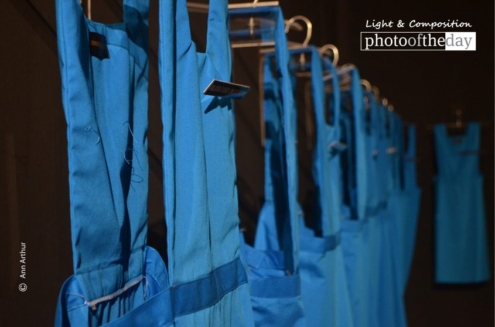
Ann Arthur has captured this stillness in her work titled Back to School. It serves as a gentle reminder of how we arrange the relics of our past to make sense of where we stand today. Does looking at these remnants change how you view your own history?