The Architecture of Departure
In the quiet hours of the morning, I often watch the sparrows gather on the telephone wire outside my window. They are creatures of sudden, sharp decisions. There is no preamble to their movement; one moment they are part of the landscape, a static punctuation mark against the sky, and the next, they are simply gone. We spend so much of our own lives preparing for transitions, packing our bags, rehearsing our farewells, and weighing the consequences of leaving. We treat departure as a heavy, deliberate act. Yet, nature suggests that the most graceful exits are those that require no permission and no explanation. It is a shedding of weight, a sudden realization that the current branch is no longer sufficient to hold the spirit. To leave is not always to abandon; sometimes, it is merely to acknowledge that the air is waiting to be filled. If we could learn to shed our own anchors with such quiet, instinctive speed, would we find ourselves lighter, or would we simply be lost in the vastness of the blue?
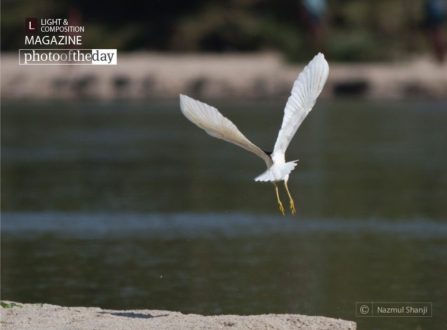
Nazmul Shanji has captured this fleeting transition in his work titled Take Off. It serves as a reminder that the most profound moments of our lives are often the ones where we choose to let go and move forward. Does this image make you feel the sudden rush of the wind, or the stillness left behind?