The Grit of History
The smell of sun-baked sandstone is a dry, chalky scent that clings to the back of the throat, like the dust of a thousand years settling on a tongue. I remember running my palms over walls that felt like sandpaper, the heat of the stone pulsing back into my skin, a slow, steady heartbeat of mineral and time. It is a coarse, honest texture—the kind that scrapes against your fingertips and reminds you that you are soft, and that you are temporary. We often think of history as a story told in books, but it is really a physical weight, a density of earth that has been shaped by hands long turned to soil. To touch a wall like that is to feel the friction of existence, the way the world resists us even as it holds us up. When the day cools, does the stone hold onto the fever of the afternoon, or does it finally let go and shiver into the night?
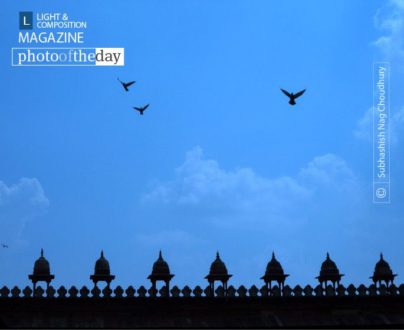
Subhashish Nag Choudhury has captured this tactile weight in his image titled The Natural Frame. The way the structure holds the sky feels like a memory pressed against the palm of my hand. Can you feel the heat radiating from the stone?