The Architecture of Absence
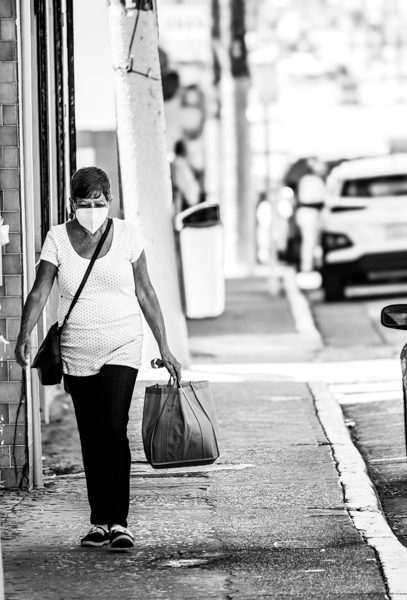
We often mistake the empty spaces in our cities for voids, as if the absence of people implies an absence of purpose. Yet, the most telling documents of urban life are found in the margins—the forgotten alleyways, the fog-drenched transit corridors, and the quiet thresholds where the frantic pace of the center dissolves into something more ambiguous. These spaces are not merely gaps between buildings; they are the physical manifestations of our collective hesitation. They reveal who is permitted to linger and who is expected to pass through without leaving a trace. When we strip away the noise of the crowd, we are left with the raw geography of the path itself, a silent witness to the daily navigation of those who move through the city not as masters of the grid, but as travelers seeking a way forward. If the city is a text, what are we to make of the sentences that have been erased or obscured by the mist? Who is the city truly built to sustain when the visibility of the individual is so easily swallowed by the environment?
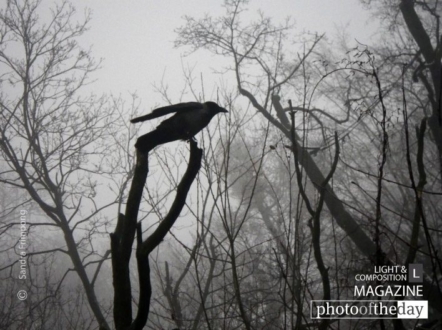
Sandra Frimpong has captured this sense of quiet navigation in her image titled Bless the Broken Road. It serves as a stark reminder that even in the most structured urban environments, the individual journey remains a solitary act of persistence. How do you find your own way through the spaces that seem designed to keep you lost?