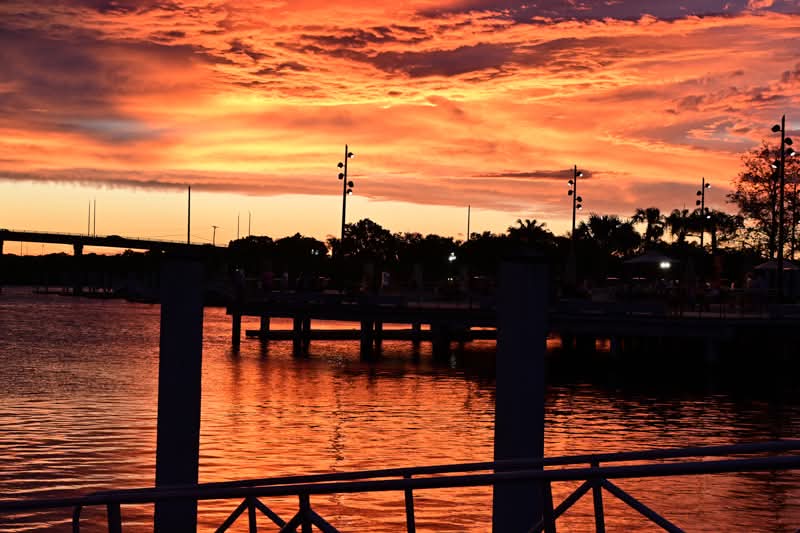
The Architecture of Storms
In the middle of the nineteenth century, a meteorologist might have spent his days charting the barometric pressure of a coming gale, mapping the cold fronts as if they were borders on a map. We are taught to see weather as a force to be managed, a series of inconveniences to be navigated with umbrellas and heavy coats. We build our lives around the assumption that the sky is something to be endured. Yet, there is a different way to inhabit a storm. If you watch a child, you see that they do not negotiate with the rain; they surrender to it. They treat the deluge not as a disruption of their plans, but as a sudden, liquid expansion of their world. It is a reminder that our discomfort is often just a failure of imagination. When the clouds break and the streets turn into rivers, we are given a rare permission to stop being adults, to stop calculating the cost of the damp, and to simply exist within the sudden, cool weight of the atmosphere. Does the water change the world, or does it merely reveal how much of it we were ignoring?
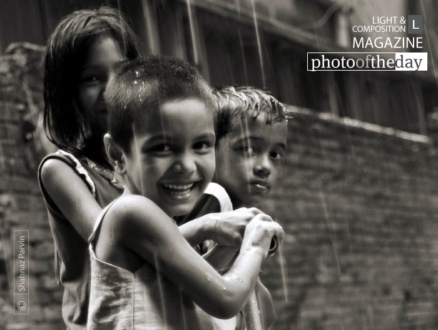
Shahnaz Parvin has captured this exact surrender in her image titled Rain Lovers. She reminds us that even in the busiest of cities, there is a space where the storm becomes a sanctuary. Does this scene make you want to step out into the downpour?