The Geometry of Hidden Things
In the seventeenth century, a man named Robert Hooke peered through a primitive glass and discovered that the world was not merely what it seemed to the naked eye. He found that a simple cork was, in fact, a complex city of tiny, walled chambers. We often move through our days assuming that the surface is the entirety of the truth. We walk past the garden gate, we glance at the passing face, and we decide we have seen enough to understand the whole. But there is a quiet, persistent intelligence in the way things are put together—a hidden architecture that only reveals itself when we stop rushing. It is a form of patience, really, to look so closely that the familiar becomes strange again. When we strip away the noise of the crowd and the weight of our own expectations, we find that the smallest detail often holds the largest secret. If we were to hold our breath and lean in just a little further, what else might we find waiting in the architecture of the overlooked?
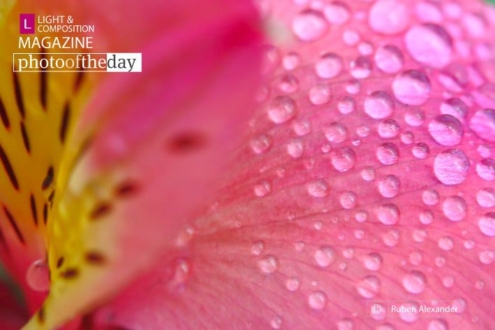
Ruben Alexander has captured this sense of discovery in his work titled Intrigue!. It serves as a gentle reminder that beauty often hides in plain sight, waiting for us to slow down and notice. Does this quiet detail change the way you see the world around you today?