Savor the Essence of Garlic by Silvia Bukovac Gasevic
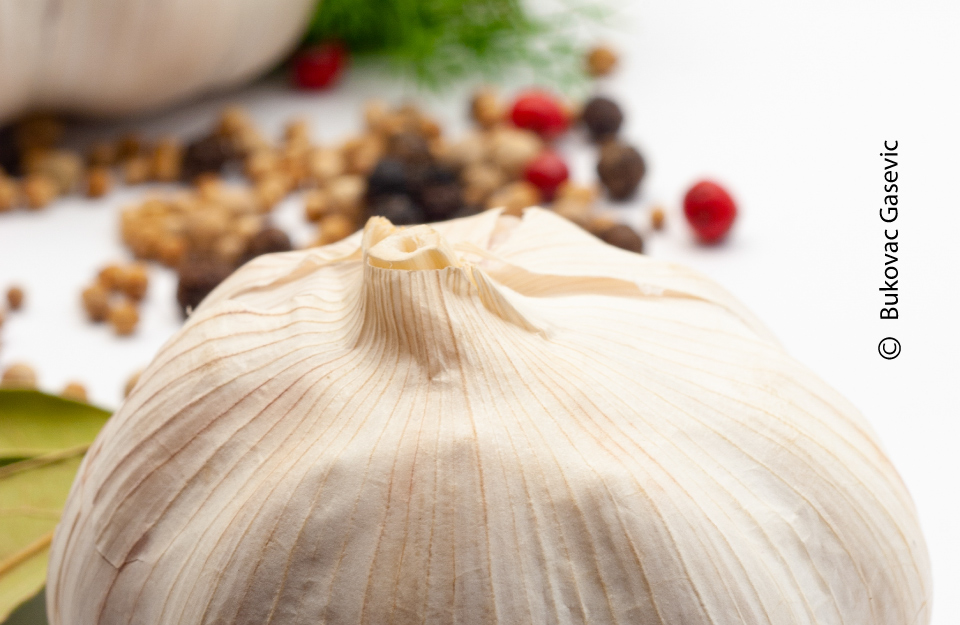
In 2005, the photographer transformed her apartment into an improvised studio to explore the artistic potential of everyday objects. Using a Canon 20D and a 50mm lens, she meticulously captured the raw, textured essence of garlic, elevating a humble kitchen staple into a compelling still life study. The image demonstrates a keen eye for detail and lighting, showcasing how creative vision can turn a simple vegetable into a sophisticated subject. This photograph is award-worthy for its technical precision and the photographer’s ability to find profound aesthetic beauty in the mundane.
Silvia Bukovac Gasevic
Born in Croatia and currently based in Germany, Silvia Bukovac Gasevic is a dedicated photographer, nature enthusiast, and animal lover. She balances her creative pursuits as a freelance photographer for three international agencies, constantly seeking to capture the perfect, aesthetic moment. With a camera always in hand, she maintains a lifelong commitment to discovering and documenting the beauty found in every corner of the world.
Resonance Score Breakdown
Transparency Note: The resonance score (8.0/20) is calculated based on social engagement metrics collected before the award announcement.
Expert Photography Reviews · 8
The Skin of the Earth
There is a quiet dignity in the things we peel away. We spend our lives removing layers, searching for a center that remains firm, white, and unyielding. The kitchen is a place of ritual, a small theater where the raw materials of survival are stripped of their defenses.
Read the reflection →The Architecture of the Humble
The papery skin of an allium bulb is a marvel of structural efficiency, a translucent shield designed to protect the dormant life within through the harshest winter.
Read the reflection →Reviews & Comments
Share your thoughts about this award-winning photograph. Your reviews contribute to the community engagement score.
Technical precision is such a bore. While the jury praises this for its clarity, I’m left wondering why Gasevic didn’t let the garlic dissolve into something more visceral. It’s a clean, safe study, but I’d have preferred a long-exposure blur that captured the scent rather than just the skin. It’s technically competent, sure, but it lacks the courage to fail. Why resolve every texture when you could have suggested the essence instead?
There is a quiet, earthen holiness in these bulbs. She didn’t rush the light; she waited for it to graze the papery skin, revealing the topography of the soil they once called home. It’s a landscape in miniature, really. I find myself leaning in, almost smelling the damp, cool cellar air. She’s captured the stillness of a harvest long after the sun has set. It’s a humble, sacred geography that I’ve rarely seen so clearly.
At f/4, the focal plane is razor-thin, yet it resolves the papery, desiccated husks of the garlic with startling fidelity. You can see the diffraction of light across those fibrous membranes; it’s a tactile, almost visceral rendering of organic decay. I’m genuinely moved by how the lens captures the subtle chromatic shifts in the skin. It’s not just a vegetable; it’s a study in light’s interaction with complex, translucent geometry. It’s truly exquisite work.
We look at these cloves and we don’t just see a kitchen staple; we see the skin of a life lived. Silvia has listened to the quiet, papery layers of this garlic, treating its texture with the reverence of a portrait subject. It’s a humble face, weathered and honest. I find myself leaning in, wanting to peel back the history hidden in those folds. It’s a beautiful, intimate conversation with the mundane. I’m truly moved.
Garlic bulbs on a table don’t just sit there; they demand a history. Gasevic isolates these papery skins, but why strip them of their domestic context? It’s technically sharp, sure, yet it feels sterile, almost clinical. I find myself craving the scent of a real kitchen, not this vacuum-sealed aesthetic. Does elevating the mundane actually honor the object, or does it just erase the labor behind the meal? Who are we really feeding with this gaze?
The light hits those papery skins and suddenly, the kitchen vanishes. It’s a tight, claustrophobic close-up that feels like the opening beat of a noir. I’m leaning in, almost smelling the earth. The 50mm lens doesn’t blink; it holds the texture with a brutal, honest rhythm. It’s a still that breathes. I’ve seen a thousand food shots, but this one doesn’t need a cut. It’s the frame the editor keeps because it’s already finished.
The garlic cloves occupy the frame with a brutal, geometric insistence. Their papery skins create a rhythmic topography that anchors the composition. It’s a study in controlled light, where the shadows don’t merely fall; they define the spatial tension between the organic forms. I’m genuinely unsettled by how the negative space forces the eye back to the center. It doesn’t rely on sentiment. The structure is absolute. It’s a rare, cold clarity in a mundane subject.
Most food photography is ephemeral, destined for a quick scroll. Yet, I’ve returned to this garlic study three times today. It’s the tactile honesty of the papery skin against the dark void that anchors it. While others clutter their frames with props, Gasevic trusts the raw geometry of the bulb. It’s a quiet, stubborn piece of work. In thirty years, this simplicity will still feel vital, unlike the over-processed trends currently flooding our digital feeds.