A Dish from the Hill Tracts by Tanmoy Saha
Captured during a long-awaited reunion with friends at the Peda Ting Ting restaurant in Dhaka, this photograph elevates a simple culinary moment into a vibrant visual narrative. The photographer expertly utilized a 1/10s shutter speed and a 53mm focal length to isolate the dish, creating a shallow depth of field that emphasizes the textures and colors of the Hill Tracts cuisine. The image is award-worthy for its ability to transform a casual dining experience into a compelling study of light and composition, showcasing the rich cultural heritage of the region through the lens of food photography.
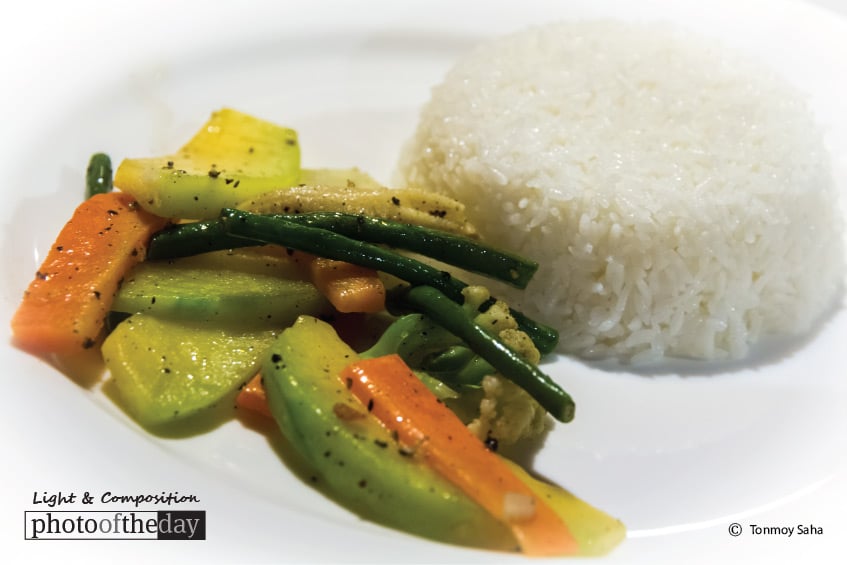
Exposure 1/10sec @ f/5 | ISO 400 | Focal Length 53mm
Tanmoy Saha
Based in Dhaka, Bangladesh, Tanmoy Saha Turja has been honing his craft since 2007. His photographic journey began with foundational training at the Dhaka University Photography Society and Pathshala, leading to a diverse portfolio that spans portraiture, landscapes, and wildlife. Known for his keen eye for detail, he continues to explore the intersection of culture and visual storytelling through his work.
Resonance Score Breakdown
Transparency Note: The resonance score (12.3/20) is calculated based on social engagement metrics collected before the award announcement.
Expert Photography Reviews · 5
The Memory of Salt
We often forget that a meal is merely a conversation between the earth and the hands that gathered it. To eat is to invite the landscape into our own blood, to swallow the rain that fell on distant slopes and the sun that ripened the hidden fruit.
Read the reflection →The Architecture of Sustenance
There is a quiet, ancient geometry to the act of setting a table. We arrange the vessels, the steam, and the offerings as if we are constructing a temporary sanctuary against the vastness of the outside world. It is a ritual of grounding.
Read the reflection →Reviews & Comments
Share your thoughts about this award-winning photograph. Your reviews contribute to the community engagement score.

At f/5, the focal plane is razor-thin, forcing the lens to resolve the organic textures of the Hill Tracts dish against a soft, buttery bokeh. It’s a delicate balance; the 53mm focal length avoids the distortion of wider glass, keeping the geometry honest. I’m genuinely moved by how the light catches those coarse grains—it’s a tactile, visceral clarity. The diffraction limit hasn’t softened the edges, leaving the steam and spice feeling almost tangible. It’s simply exquisite.
You captured the steam rising off that dish, and it’s like I can smell the spices from here. It’s not just food; it’s the warmth of a reunion. You didn’t just snap a plate; you waited for the light to catch the texture of the Hill Tracts tradition. Because you were present with your friends, the shot feels alive. I’ve sat at tables like that. There’s something honest happening here. You felt the moment, and it shows.
It’s a pleasant enough study of textures, though one suspects the shutter speed was a happy accident rather than a calculated risk. Food photography rarely demands the sort of misery I’m accustomed to, yet there’s a warmth here that makes me miss the humidity of Dhaka. Did the photographer return for a second plate, or was this a lucky snap between bites? It’s competent, certainly, but it hasn’t quite cost the photographer enough yet.
At 1/10s, Saha isn’t just documenting a meal; he’s flirting with the threshold of legibility. It’s a relief to see food photography abandon the sterile, hyper-sharp aesthetic that usually turns dinner into a clinical specimen. This approach is closer to Hiroshi Sugimoto’s long-exposure theatres than to conventional culinary practice. I’m genuinely moved by the way the motion blur softens the edges of the Hill Tracts spices. What did he choose not to resolve, and why?
Before the eye identifies the steam or the vibrant spice, something in the chest softens. It’s the quiet intimacy of a shared meal, captured at a shutter speed that lets the ambient light blur into a warm, golden hum. I’ve returned to this plate three times today; it triggers a phantom hunger for places I’ve never been. It doesn’t just show food; it anchors a fleeting, human reunion in the body’s own quiet, persistent memory.