
The Weight of Splendor
In the Victorian era, naturalists were obsessed with the mechanics of display. They spent years cataloging the iridescent throat of a hummingbird or the impossible geometry of a beetle’s shell, convinced that if they could only measure the brilliance, they might understand the purpose behind it. We often mistake such outward shows for vanity, as if the creature were performing for an audience of one. But perhaps it is not a performance at all. Perhaps it is simply an overflow—a biological necessity to hold more color than the body can comfortably contain. When a thing is so full of its own nature that it must spill over into the world, we call it beauty. We stand back, humbled by the sheer, unasked-for excess of it, wondering if we, too, possess some hidden, vibrant pattern that we are simply too timid to reveal. What happens to the color when the world stops looking?
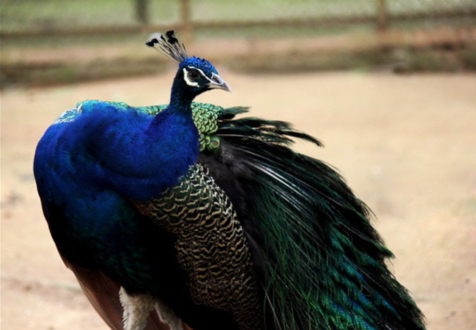
Shahnaz Parvin has captured this quiet, regal intensity in her image titled A Beautiful Peacock. It serves as a reminder that even in the most ordinary of spaces, nature insists on its own magnificence. Does it change the way you see the world to know that such splendor is always waiting to be noticed?