
The Vessel and the Void
In the quiet corners of a kitchen, one often finds objects that have outlived their original purpose. A chipped ceramic bowl, a rusted tin, or a wooden spoon worn thin by decades of friction—these things possess a gravity that newer, shinier items lack. They are the artifacts of a life lived in the margins, holding the ghost of a meal or the memory of a task long since completed. We tend to think of history as something carved into stone monuments or recorded in heavy, leather-bound books, but history is more often found in the hollows of a container. It is in the shape of the space left behind when the contents are gone. We fill these vessels with our needs, our liquids, and our sustenance, yet they remain indifferent to the passage of time, waiting patiently for the next hand to reach for them. If an object could speak of the hands that held it, would it tell of the nourishment it provided, or would it simply hum with the silence of being empty? What remains when the utility is stripped away, leaving only the form behind?
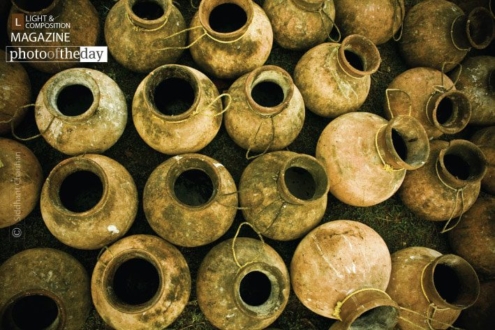
Siddhant Chauhan has captured this quiet endurance in his work titled The Tale of Bizarre Tankards. He invites us to look past the surface of these curious vessels and consider the history they hold within their walls. Does the sight of them make you wonder what they once carried?
 Sun at their Feet, by Abhishek Asthana