
The Unseen Inhabitants
We often mistake the city for a collection of concrete, steel, and glass, forgetting that the urban fabric is merely a stage for a much larger, non-human drama. Henri Lefebvre argued that space is never neutral; it is a social product, a battlefield of interests, and a container for lives both seen and invisible. While we obsess over the architecture of our own making—the zoning laws, the transit lines, the gentrified storefronts—we ignore the tiny, persistent residents who claim the cracks in the pavement and the neglected patches of soil as their own. These creatures do not ask for permission to occupy the margins. They exist in the shadows of our grand designs, thriving in the spaces we deem insignificant or empty. When we look at a landscape, we are usually looking for ourselves, for our own reflection in the built environment. But what happens when we shift our gaze to the inhabitants who were here long before the first brick was laid and will likely remain long after the mortar crumbles? Who truly owns the ground beneath our feet?
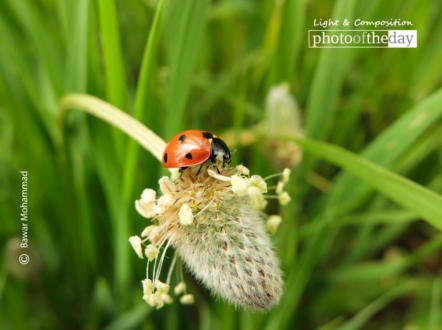
Bawar Mohammad has taken this beautiful image titled Spring is Here. It reminds me that even in the most structured environments, there is a wild, quiet life unfolding just beneath our notice. Does the city belong only to those who build it, or to those who inhabit its smallest corners?