
The Unmapped Labor
We often mistake the periphery for the empty. In our rush to define the city by its verticality and its commerce, we overlook the vast, horizontal networks that sustain it. There is a geography of survival that exists outside the formal grid—a rhythm of life dictated not by the clock, but by the needs of the land and the animals that share it. This is where the true infrastructure of humanity resides. When we look at the margins, we see the people who maintain the quiet, essential connections between the wild and the domestic. They are the ones who navigate the spaces between the concrete, carrying the weight of traditions that planners rarely account for in their blueprints. It is a reminder that the city is not just a collection of buildings; it is a living, breathing organism that relies on those who walk the edges. Who is truly keeping the pulse of the landscape, and what happens when their path is finally paved over?
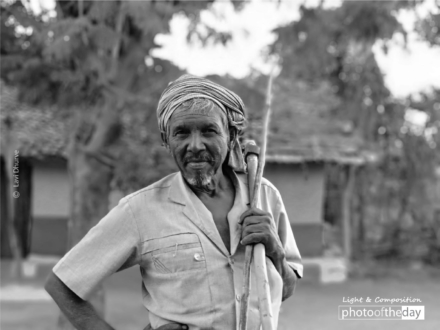
Lavi Dhurve has taken this beautiful image titled The Ox Herder. It captures a moment of quiet dignity in the grasslands, bridging the gap between the rural routine and our own urban detachment. Does this portrait change how you view the people who work in the shadows of our modern world?
 (c) Light & Composition
 (c) Light & Composition