
The Soil Remembers
We often speak of the earth as if it were a blank slate, a passive stage upon which we act out our brief, frantic dramas. We plant gardens, we pave roads, and we assume that because the grass grows back, the slate has been wiped clean. But there is a stubbornness to geography. If you walk through a forest that has known fire, the charcoal remains in the roots long after the canopy has turned green again. The land keeps a ledger. It holds onto the heat of the past, folding it into the silt and the sand, waiting for someone to notice that the ground beneath our feet is not merely dirt, but a repository of everything that has been lost. We are so quick to move on, to rebuild, to paint over the cracks, yet the memory of the trauma is etched into the very chemistry of the place. What happens to a landscape when it is asked to be a paradise while still mourning its own destruction?
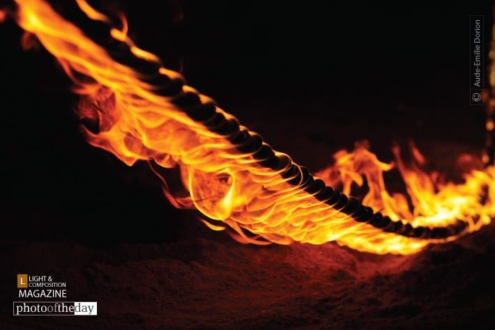
Aude-Emilie Dorion has captured this tension in her work titled Flames of Hell. She invites us to look past the surface of a place we think we know and consider the weight of what lies buried beneath. Does the earth ever truly let go of its history?