The Rhythm of Transit
I remember sitting on a wooden bench in a station in Lyon, watching the evening commuters blur into a single, rushing tide. An old man sat next to me, peeling an orange with a small pocketknife. He didn’t look up at the departures board or check his watch. He told me he liked the station because it was the only place where everyone was going somewhere, yet nobody was actually home. There is a strange, hollow comfort in that—being surrounded by thousands of people who are all in the middle of their own private stories, moving through a space that exists only to be left behind. We spend so much of our lives trying to arrive, to settle, to find a place to stop, but there is a quiet dignity in the transit itself. It is a reminder that we are all just passing through, held together for a brief moment by the architecture of our movement. When the world stops moving, where do we go?
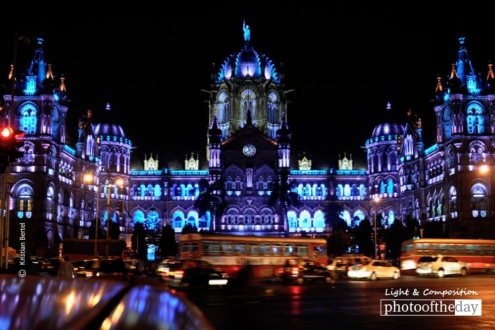
Kristian Bertel has captured this sense of transition beautifully in his photograph titled Mumbai Railway Station. It feels like a heartbeat caught in stone, standing still while the rest of the world rushes on. Does the scale of such a place make you feel small, or does it make you feel like you belong to something larger?