The Labor of Care
We often mistake the kitchen for a site of mere production, a domestic factory where raw ingredients are processed into fuel. But if we look closer at the geography of the home, we find that the kitchen is actually the primary site of social reproduction. It is where the invisible labor of care is performed, passed down through the quiet, repetitive motions of the hands. This is where culture is transmitted not through textbooks, but through the tactile intimacy of preparing a meal. When we see a hand hovering over a plate, we are witnessing the maintenance of a lineage. It is a small, deliberate act that anchors a person to their history and their kin. In a world that prioritizes the speed of consumption, the deliberate, slow gesture of finishing a dish is a radical act of presence. It asks us to consider what we are actually feeding when we sit down to eat, and who is left to carry the weight of these quiet traditions once the table is cleared.
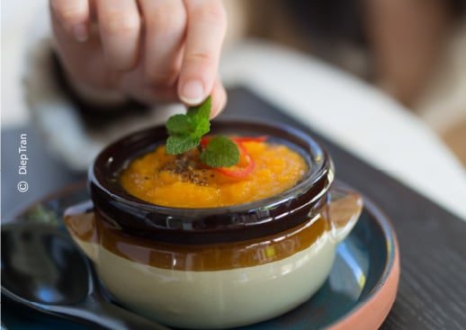
Diep Tran has captured this essence in her beautiful image titled Finishing Touch. By focusing on the delicate interaction between hand and plate, she reminds us that the most significant human geographies are often found within the walls of our own homes. Who do you invite into your kitchen to share in the work of your daily life?