The Geometry of Vigilance
There is a specific kind of geometry to the way a creature occupies space when it believes it is entirely alone. It is not the casual sprawl of a house cat in a sunbeam, nor the frantic energy of a squirrel in the park. It is a taut, deliberate architecture—a stillness that feels like a held breath. I have often wondered if the wild things know they are being watched, or if their poise is simply a byproduct of a life lived in constant negotiation with the wind and the shadows. To exist in the periphery of a forest is to be a master of the pause, to understand that movement is a luxury one cannot always afford. We, in our cluttered lives, rarely know this kind of absolute focus. We are always reaching for the next thing, the next thought, the next distraction. But what if we were to simply perch, to let the world blur around us until only the essential remained? What does the forest reveal to those who stop trying to change it?
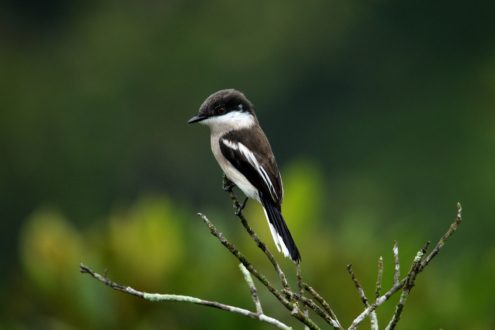
Saniar Rahman Rahul has captured this exact, breathless poise in his image titled Bar-winged Flycatcher Shrike in the Sundarbans. It is a quiet meditation on the power of remaining still in a world that never stops moving. Does this stillness make you want to lean in, or does it make you want to step back and let the moment remain undisturbed?