
The Geometry of the Soil
There is a specific, ancient geometry to the way we interact with the earth. It is not found in blueprints or the rigid lines of city planning, but in the soft, repetitive motion of a hand turning over a clod of dirt. I remember watching my grandfather work his small patch of garden, his movements governed by a clock that didn’t tick in seconds, but in seasons. He understood that the soil was not merely a surface to be walked upon, but a partner in a long, silent conversation. There is a profound humility in this labor—a willingness to be stained by the very thing that sustains us. We often look for meaning in the grand gestures of history, forgetting that the world is held together by these small, rhythmic acts of devotion. When we press our palms into the mud, are we shaping the land, or is the land, in its quiet, stubborn way, shaping us back?
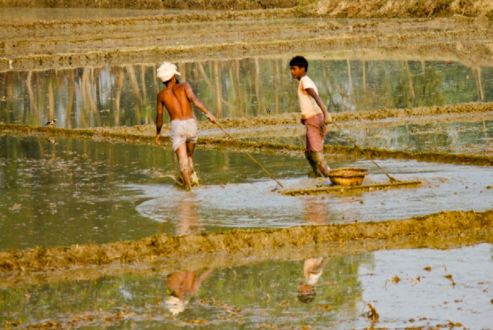
Shahnaz Parvin has captured this essential dialogue in her image titled The Timeless Rhythm of Agricultural Life. It reminds me that some stories are best told through the simple, enduring weight of a day’s work. Does the earth feel different to you after you have spent time tending to it?