
The Geometry of Devotion
In the quiet corners of a house, there is a specific geometry to how we handle the things we own. We fold a shirt, we stack a book, we smooth a wrinkle from a tablecloth. These are not merely chores; they are small, repetitive prayers of maintenance. We are trying, in our own clumsy way, to impose order on a world that is perpetually unraveling. There is a weight to the fabric of our lives, a texture that demands our attention if we are to keep the chaos at bay. To fold is to acknowledge that something has been used, that it has served its purpose, and that it deserves to be returned to a state of readiness. It is an act of respect for the material world, a way of saying that even the most mundane object holds a place in the architecture of our days. If we stop tending to these small, soft edges, what happens to the center of our own stillness?
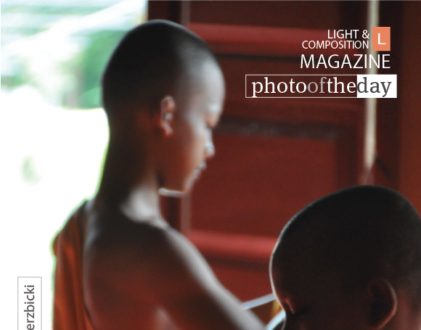
Ryszard Wierzbicki has captured this exact sense of quiet reverence in his image titled Folding a Robe. It is a beautiful reminder that the most profound rituals are often the ones we perform in silence, away from the eyes of the world. Does the act of folding change the person, or does the person change the act?