The Geography of the Veil
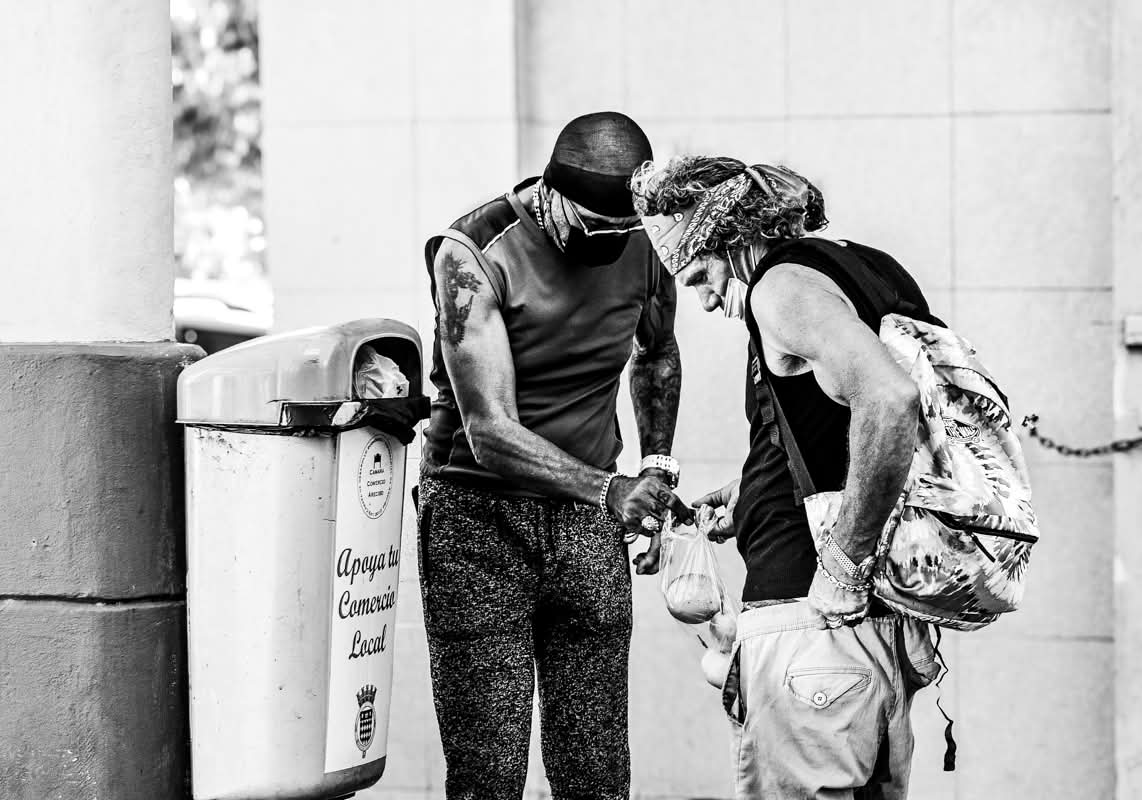
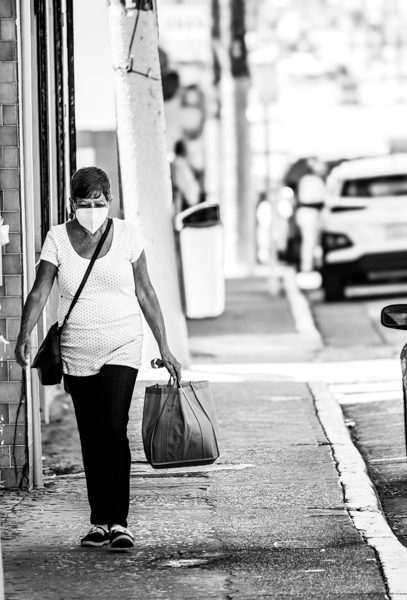
We often mistake visibility for presence. In the modern city, we are conditioned to believe that to be seen is to be known, and that to be hidden is to be absent. Yet, there is a profound power in the threshold—the space between the public gaze and the private self. Throughout history, the architecture of our social lives has been defined by what we choose to reveal and what we choose to protect. When we encounter someone who exists on the margins of the dominant social order, we are forced to confront our own position as observers. Are we looking at a person, or are we looking at a projection of our own expectations? The veil, whether literal or metaphorical, is not merely a barrier; it is a boundary that asserts the autonomy of the individual against the relentless demand of the city to be fully exposed. Who owns the right to be seen, and who decides when the gaze has become an intrusion?
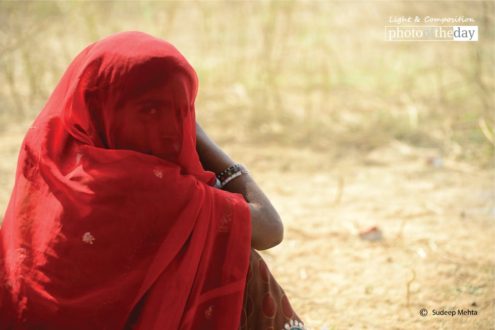
Sudeep Mehta has captured this tension beautifully in the image titled Eyes Of The Nomad. By focusing on the intersection of tradition and the individual, the work asks us to consider how much of a person’s story we are truly entitled to know. How do we navigate the space between curiosity and respect when we encounter a life lived outside our own?