The Geography of the Table
We often mistake the city for its skyline, for the grand monuments of steel and glass that demand our gaze. But the true document of urban life is written in the kitchen, in the small, repetitive rituals that anchor us to a place. A meal is never just sustenance; it is a map of class, culture, and domestic labor. Who has the time to prepare this? Who is invited to sit, and who is relegated to the periphery of the domestic sphere? When we look at the objects of our daily consumption, we are looking at the invisible infrastructure of our private lives. These quiet, tactile moments are where the city actually happens, away from the zoning laws and the master plans. They are the remnants of a culture that persists despite the frantic pace of modern development. If we stripped away the public facades of our streets, would we find a city built on shared tables, or one defined by the isolation of the individual? Where do we draw the line between the sustenance we need and the comfort we are denied?
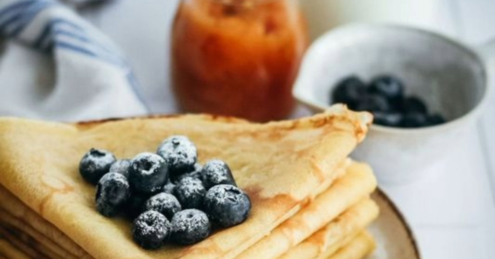
Larisa Sferle has captured this quiet intimacy in her photograph titled Simple Crepes. It serves as a reminder that the most profound stories of our human geography are often found in the humble, everyday textures of our own homes. Does this image reflect the warmth of your own morning ritual?