The Geography of Resilience
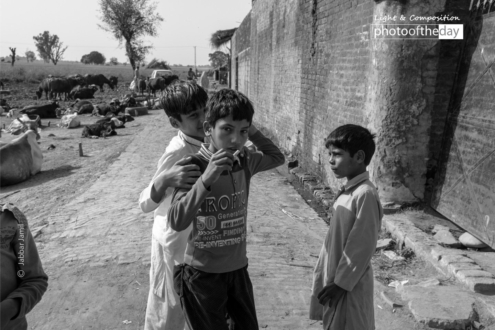
We often mistake the city for its infrastructure—the concrete, the borders, and the lines drawn on maps by those in distant offices. But the true document of a place is found in the spaces between these structures, where the rhythm of daily life persists despite the weight of external pressures. When a landscape is defined by volatility, the act of simply being present becomes a radical assertion of belonging. Who claims the right to a home when the ground itself feels uncertain? We see this in the way communities carve out normalcy in the shadow of geopolitical friction, transforming contested territory into a playground or a sanctuary. It is a quiet, persistent defiance. The architecture of power may dictate the boundaries, but the architecture of the human spirit determines how those boundaries are inhabited. When we look at the edges of our maps, do we see the people who hold them together, or do we only see the lines that keep them apart?