The Geography of Joy
Public space is rarely neutral. It is a stage where the power dynamics of a society are performed, often dictating who is permitted to linger and who is expected to move on. In many urban environments, we design for efficiency, for commerce, or for the transit of bodies, forgetting that the most vital function of a city is to provide a setting for the unscripted life. When a child claims a corner of a park, they are performing a radical act of ownership. They are not merely occupying a coordinate; they are transforming a piece of municipal infrastructure into a sanctuary of play. This reclamation is a quiet challenge to the rigid, top-down planning that often views children as secondary users of the urban fabric. To see someone find genuine, uninhibited delight in a space built by adults is to witness a temporary subversion of the city’s intended order. If the city is a document of our collective priorities, what does it say about us when the most authentic moments of life happen in the margins?
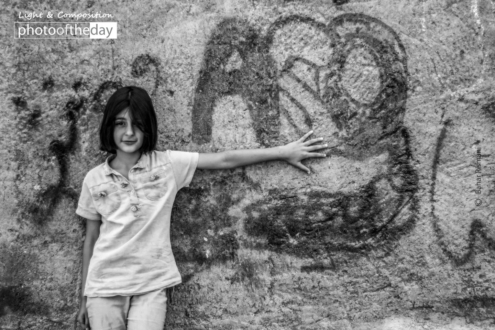
Bahar Rismani has captured this spirit in the beautiful image titled A Happy Girl. It serves as a reminder that even in the most structured environments, the human spirit finds its own way to thrive. Does the city exist to serve the planners, or does it exist to serve the people who find joy within its walls?