
The Geography of Joy
We often mistake the architecture of a place for the sum of its value. We look at the infrastructure, the density of materials, and the formal markers of development, assuming that where resources are scarce, the human experience must be equally diminished. But the city—or the village, or the remote settlement—is not merely a collection of assets. It is a social document written in the expressions of those who inhabit it. When we encounter a space, we must ask who has been invited to thrive there and who has been relegated to the margins. Yet, there is a defiance in the human spirit that refuses to be defined by the limitations of its environment. Joy, in its most authentic form, often emerges in the cracks of the systems we build, serving as a reminder that the richness of a community is not found in its ledger, but in the resilience of its people. What happens to our understanding of a place when we stop measuring it by what it lacks and start observing how its people occupy their own happiness?
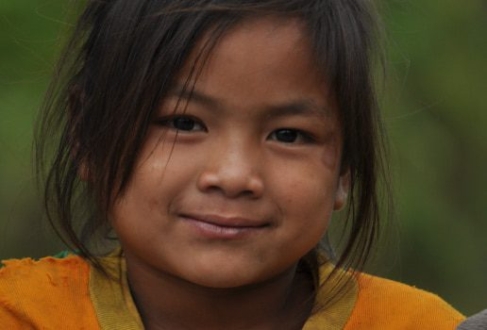
Ryszard Wierzbicki has taken this beautiful image titled A Smile in Colors. It invites us to look past the rural landscape and consider the vibrant humanity that defines the space. Does this portrait change how you perceive the geography of the places we often overlook?