The Geography of Exclusion
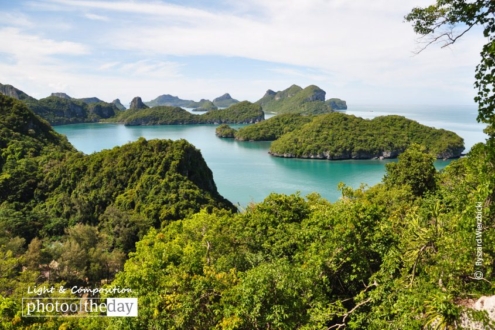
We often mistake the absence of people for the presence of peace. We look at a landscape stripped of human clutter and call it a sanctuary, a paradise, an untouched wilderness. But in the study of human geography, there is no such thing as a truly empty space. Every vista is a document of power—who has the leisure to travel here, who has the capital to preserve it, and who is structurally barred from the frame. When we curate a view to be ‘pristine,’ we are often erasing the labor, the history, and the indigenous claims that once defined the territory. We celebrate the aesthetic of the horizon while ignoring the invisible borders that dictate who is allowed to inhabit the center and who is relegated to the periphery. A landscape is never just a collection of rocks and water; it is a stage where the drama of access and ownership is played out in silence. If we remove the people, are we looking at a natural wonder, or are we looking at a space that has been cleared for our own consumption? Who is the city—or the park—really for?