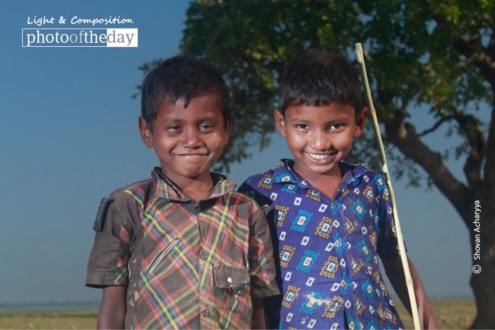
The Geography of Childhood
We often talk about the city as a collection of infrastructure—roads, pipes, and zoning laws—but the true geography of a place is written in the bodies of those who inhabit it. In the margins of our maps, where the formal economy fades into the landscape, we find the invisible labor that sustains the center. Children, in particular, are often the most accurate barometers of a society’s health. When we see them in spaces of toil rather than play, we are witnessing a failure of the social contract. Yet, there is a persistent, stubborn humanity that refuses to be erased by circumstance. Even in the most precarious environments, the instinct for connection and joy remains a radical act of resistance. It forces us to confront the reality that some childhoods are spent building the future for others, while their own remains suspended in the mud and the water. Who is granted the luxury of a childhood, and who is forced to grow up to keep the world turning?