
The Geography of Belonging
Cities are often mapped by their transit lines, their zoning codes, and the imposing height of their glass towers. Yet, the true map of a city is drawn in the small, quiet rituals that anchor people to a place. When we migrate, we carry our geographies with us, carving out pockets of familiarity within the vast, often indifferent urban grid. These domestic ceremonies are acts of resistance against the anonymity of the metropolis. They transform a rented room or a suburban house into a site of cultural memory, asserting that one’s heritage has a right to exist in the public consciousness. It is in these intimate, flickering spaces that a community finds its center, far removed from the sterile planning of the city council. We must ask ourselves: does our urban environment provide the soil for these traditions to take root, or does it demand that we leave our histories at the threshold? Who is permitted to claim the city as a home, and whose rituals are relegated to the shadows?
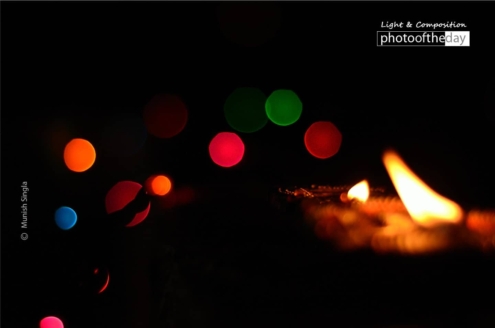
Munish Singla has captured this beautiful image titled Diya Lights. It serves as a reminder that the most significant urban infrastructure is the human connection we build within our own walls. How do you carve out your own space in the city?