The Edge of Belonging
We often speak of the city as a dense web of stone and steel, yet our geography is defined just as much by where we stop. There is a profound social weight to the boundary—the point where the pavement ends and the wild, untamed space begins. Throughout history, these edges have served as thresholds of exclusion and sanctuary alike. Who is permitted to stand at the precipice, and who is pushed back by the invisible fences of ownership or safety? When we step away from the manicured paths designed for the casual observer, we enter a space that demands a different kind of engagement. It is a place stripped of the usual markers of status and utility, forcing us to confront the raw, indifferent scale of the world. In these liminal zones, the social contract feels fragile, exposed to the elements. If the city is a document of our collective life, what does it say about us when we reach the very limit of our reach?
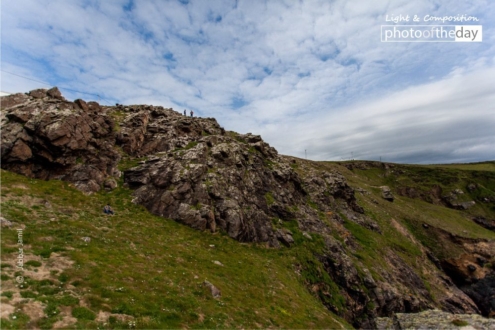
Jabbar Jamil has captured this tension in his image titled Land’s End. By moving away from the established trails, he reveals how our relationship with the landscape shifts when we leave the designated path behind. Does this perspective make you feel like a guest in the landscape, or an intruder?