
The Domestic Border
We tend to view the home as a sanctuary, a private fortress against the chaos of the public sphere. Yet, the domestic space is never truly isolated; it is a site of production and a reflection of the wider economy. When we prepare food, we are participating in a ritual that connects us to the land, to supply chains, and to the labor of those who brought these ingredients to our table. The objects we choose to surround ourselves with—the weathered metal, the worn ceramic—are not merely aesthetic choices. They are markers of class, history, and the specific geography of our upbringing. They tell a story of what we value and what we choose to preserve in an era of rapid, disposable consumption. Every kitchen is a map of where we have been and who we are trying to become, serving as a quiet anchor in a city that is constantly demanding we move faster. If the home is the smallest unit of the city, what does our private table tell us about the public world we inhabit?
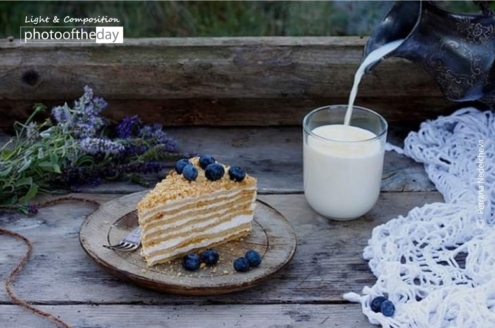
Petrana Nedelcheva has taken this beautiful image titled French Country Cake. It serves as a poignant reminder of how the intimacy of a domestic ritual can reveal so much about our relationship to the spaces we occupy. Does this scene feel like a retreat from the city, or a way of reclaiming it?
 Drill Down by Ruben Alexander