
The Cartography of Time
In the study of geology, we are taught that the earth keeps a ledger. Every layer of sediment, every fracture in the bedrock, acts as a silent witness to eras that have long since folded into the crust. We look at a mountain and see permanence, yet the mountain is merely a slow-motion collapse, a patient surrender to the wind and the rain. Humans are not so different, though we tend to view our own transitions with a sharper, more anxious eye. We trace the lines on our skin as if they were maps of a country we have traveled but can no longer return to. We call this aging, as if it were a subtraction, a slow thinning of the spirit. But perhaps it is an accumulation—a gathering of weight, a deepening of the soil. If we could see the history written in the creases of a face, would we see a map of losses, or a record of every time we chose to stay, to listen, and to endure? What is left when the surface finally tells the truth?
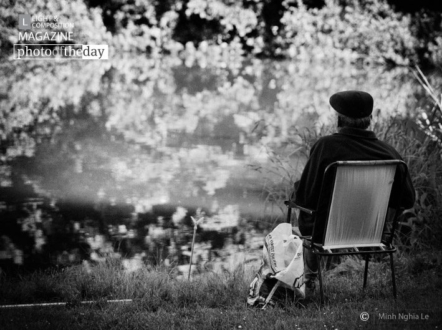
Minh Nghia Le has captured this quiet truth in the image titled Aged. It is a profound meditation on the geography of a life, etched into the very skin of the subject. Does this map look familiar to you?

 Finding Nemo, by Sahil Lodha