The Cartography of Skin
We are taught to fear the fraying edge, the way a garment thins at the elbow or a page yellows at the corner. We treat the map of our own history—the lines etched by laughter, the fissures carved by long winters—as if they were failures of the material. Yet, there is a quiet, stubborn architecture in the way things hold together long after they have been weathered by the sun and the salt. A wall does not crumble because it is tired; it crumbles because it has been listening to the wind for a century, absorbing the stories of every shadow that has leaned against it. To endure is not to remain pristine, but to become a vessel for the passage of time, a landscape where every crack is a riverbed for memory. If we could learn to read the language of our own erosion, would we see it as a loss, or as the slow, beautiful process of becoming something more than we were at the start? What remains when the surface finally gives way to the soul beneath?
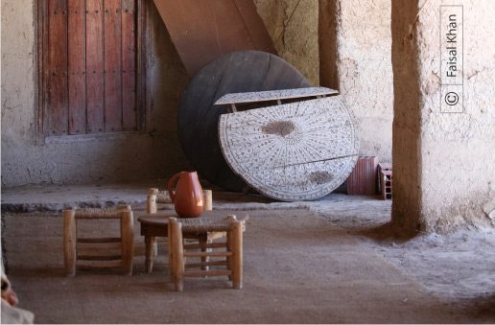
Faisal Khan has captured this profound sense of history in his work titled Once Upon a Time. It is a gentle reminder that beauty often hides in the places where time has left its deepest mark; does this image stir the echoes of your own story?