
The Architecture of Transit
I often find myself thinking about the places we pass through but never truly inhabit. There is a specific, hollow ache to a train station at dusk, a feeling of being suspended between the life you just left and the one you are rushing toward. We walk beneath these vaulted ceilings, our footsteps echoing against stone, rarely looking up to see the way the light catches the ironwork or how the shadows stretch across the floor like long-fingered ghosts. These grand halls were built to hold the weight of thousands of departures, yet they remain strangely indifferent to our individual stories. They are cathedrals of movement, designed to facilitate the transition, not the stay. We are merely ghosts in transit, leaving behind nothing but the faint rhythm of our heels on the tiles. If we stopped for a moment, if we dared to sit on a bench and simply watch the tide of strangers, would the building finally reveal the secret it has been keeping since the first train pulled away from the platform?
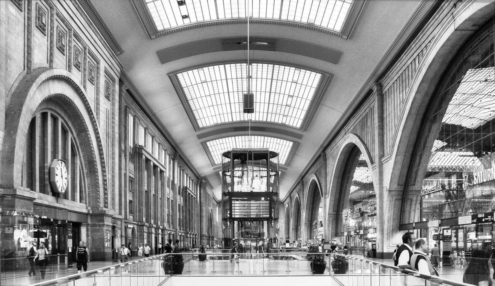
Wilfried Claus has captured this sense of monumental transience in his beautiful image titled Shopping Promenade Leipzig Station. It serves as a reminder that even in the busiest hubs, there is a quiet, symmetrical beauty waiting for those who pause to look. Does the scale of such a place make you feel more connected to the world, or simply smaller within it?

 Paradox by Arun M Shobh