The Architecture of the Wild
We often speak of the city as a human invention, a rigid grid of stone and glass designed to keep the wild at bay. We build walls to define where the domestic ends and the untamed begins, convinced that we are the only architects of our surroundings. Yet, there is a persistent, quiet geography that exists in the margins—the spaces between the reeds, the hidden corridors of the park, the forgotten corners where nature reclaims its territory. These are not empty spaces; they are vibrant, contested zones of survival. When we encounter a life that exists outside our human-made structures, we are reminded that our dominion is an illusion. We are merely guests in a much larger, more complex habitat that does not require our permission to thrive. Who are we to claim the landscape when the true residents are watching us from the shadows, waiting for us to pass so they can continue their own intricate, ancient routines?
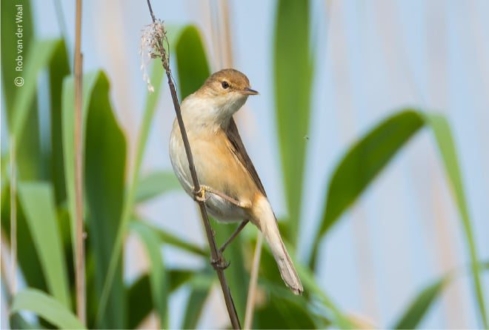
Rob van der Waal has captured this quiet defiance in his image titled Eye Contact. It serves as a reminder that even in the most managed landscapes, there is a life that remains entirely independent of our urban designs. Does this gaze make you feel like an intruder in your own world?