The Architecture of the Wild
We often mistake the city for a collection of stone, steel, and glass, forgetting that the urban fabric is a negotiation between the built environment and the organic world. We designate spaces for nature—parks, manicured verges, and decorative gardens—as if the wild can be neatly contained within a grid. Yet, there is a persistent, quiet resistance in the way life pushes through the cracks of our infrastructure. When we isolate a single element of the landscape, we are forced to confront the scale of our own interventions. We build walls to define property and borders to define belonging, but the scent of a flower or the reach of a root does not recognize these human-made boundaries. It reminds us that before the pavement was poured, there was a different rhythm here. Who decides which parts of the earth are allowed to flourish within our walls, and what happens when the wild decides to reclaim its territory?
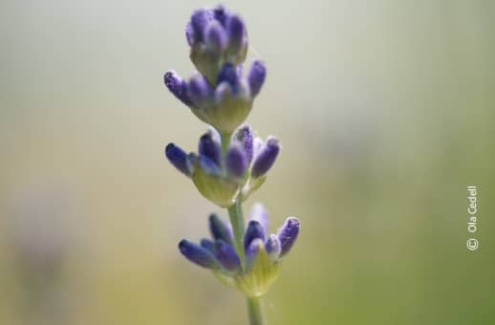
Ola Cedell has captured this delicate tension in the image titled Lavender. It invites us to look closer at the small, persistent details that exist just outside our urban planning. Does this fragment of nature feel like an intruder in our world, or a reminder of what we have paved over?