The Architecture of the Unseen
We often mistake the city for its hard surfaces—the concrete, the glass, the steel grids that dictate our movement. But the true life of a neighborhood is found in the margins, in the small, soft interventions that refuse to conform to the master plan. When we cultivate a patch of earth in a dense urban environment, we are performing a quiet act of resistance. We are asserting that a space is not merely a transit point or a zone for economic activity, but a place for the slow, rhythmic pulse of the living world. These pockets of growth are the city’s lungs, yet they are often the first to be sacrificed to the logic of efficiency. Who decides which plants belong in our public squares and which are merely weeds to be cleared? When we look at the overlooked, we begin to see the hidden power dynamics of our shared geography. What does it say about our priorities when we choose to nurture the ephemeral over the permanent?
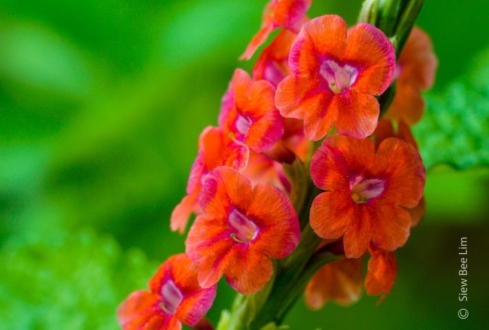
Siew Bee Lim has taken this beautiful image titled Red Porterweed. It serves as a gentle reminder that even in the most structured urban environments, nature persists in the gaps we leave behind. Does this small bloom represent a victory for the community, or is it just a fleeting guest in a city built for someone else?